One of the hardest parts about living with pancreatic disease is not always the pain itself — it’s feeling like nobody truly understands what you are going through.
For many chronic pancreatitis, EPI, Type 3c diabetes, and post-TPIAT patients, the physical symptoms are only part of the battle. The emotional exhaustion that comes from constantly trying to explain your condition, defend your symptoms, and prove your pain is real can become overwhelming.
Many pancreatic disease patients spend years searching for answers before receiving a diagnosis. Symptoms like abdominal pain, nausea, weight loss, digestive issues, oily stools, fatigue, unstable blood sugars, and malnutrition are often misunderstood or dismissed as anxiety, stress, diet-related issues, or something less serious. Some patients are repeatedly told their labs “look fine” while their quality of life continues to decline.
Unfortunately, there is also a stigma that follows pancreatitis patients into emergency rooms and clinics. Because alcohol-related pancreatitis is one known cause of pancreatic inflammation, many patients report feeling unfairly stereotyped before providers fully understand their medical history. What is often overlooked is that pancreatitis can also be caused by hypertriglyceridemia, gallstones, autoimmune disease, genetics, medications, surgical complications, anatomical abnormalities, and other metabolic conditions.
Patients who have undergone major procedures such as TPIAT surgery may continue experiencing severe chronic pain, digestive complications, glucose instability, or phantom pancreatic pain long after surgery. Yet many still describe encounters where they feel dismissed, minimized, or treated as though they are exaggerating their symptoms.
Part of the problem is that pancreatic disease is incredibly complex. Symptoms fluctuate. Pain levels change daily. Triggers vary from patient to patient. Many appointments are short, and providers may only see a snapshot of what the patient is experiencing at that moment. Without longitudinal tracking, much of the patient’s lived experience gets lost between visits.
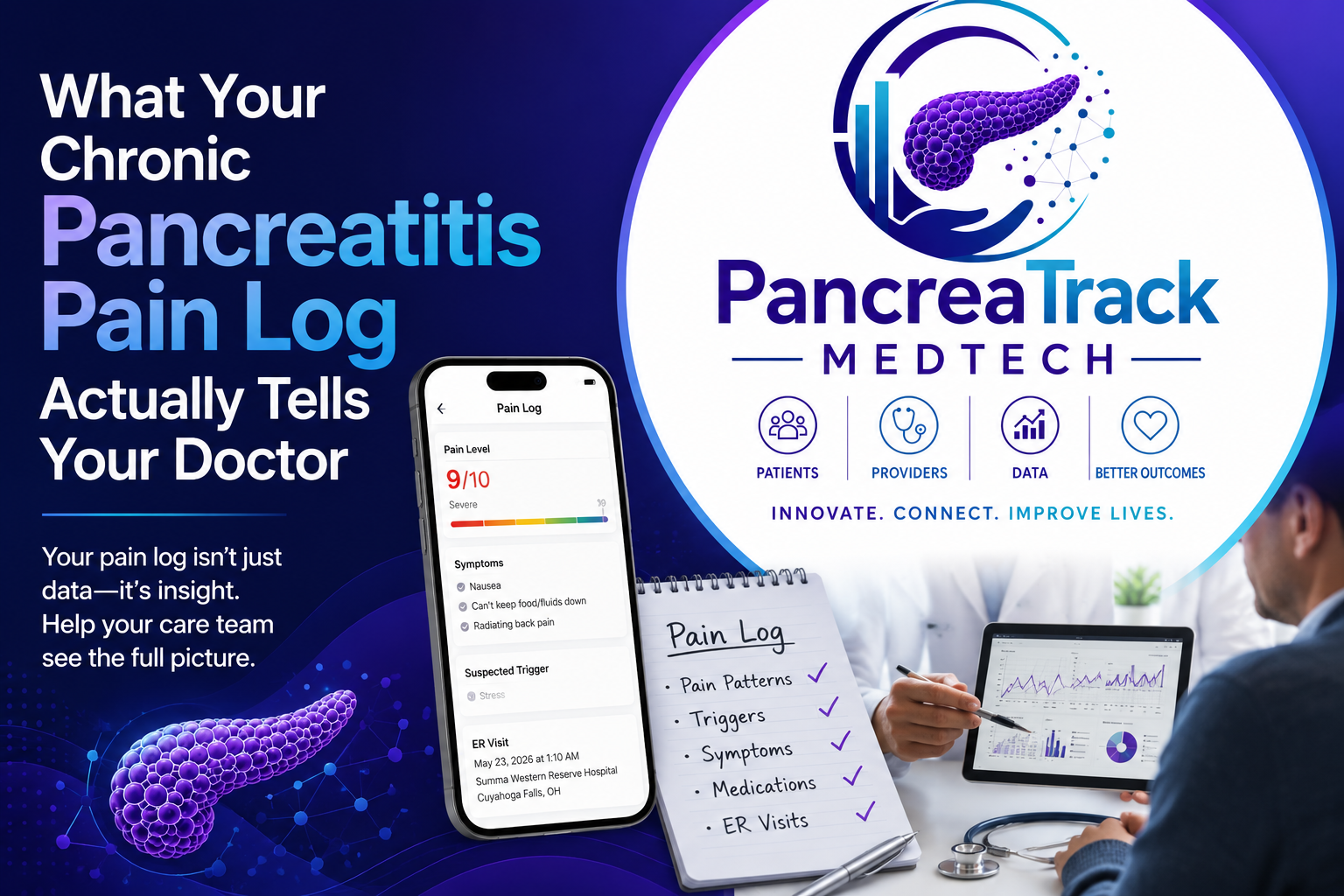
This is one reason why symptom tracking and longitudinal care tools are becoming increasingly important in chronic disease management. When patients can consistently track:
- pain severity,
- meals,
- enzyme use,
- bowel changes,
- glucose trends,
- lab values,
- flare triggers,
- and hospital visits,
providers gain a more complete picture of what is actually happening over time instead of relying solely on memory during a 15-minute appointment.
But beyond technology, pancreatic patients need something even more important: compassion and validation.
Patients deserve to be heard without immediately feeling judged. They deserve providers who recognize that pancreatic disease is not one-size-fits-all. They deserve care teams willing to investigate patterns, listen carefully, and understand how deeply this disease impacts daily life.
For many people living with pancreatic disease, simply hearing a provider say:
“I believe you.”
can mean everything.
The pancreatic disease community is filled with people fighting battles that are often invisible to the outside world. Raising awareness, improving education, supporting research, and creating better tools for continuity of care are critical steps toward making sure fewer patients continue falling through the cracks.
⚕️ Medical Disclaimer: PancreaTrack is a health tracking tool designed to help patients log and organize their symptoms — it is not a substitute for professional medical advice, diagnosis, or treatment. Always consult your physician or a qualified healthcare provider if you are experiencing pain, new symptoms, or any change in your condition. Never disregard professional medical advice or delay seeking it because of something you have read on this site.